
Advertisement
Consuming Passions: Pressure Cooking
28 September 2026 · Consuming passions

Amanda Berne is a huge fan of kitchen gadgets—especially the ones that make food that much more delicious and easy to prepare. In the latest Consuming Passions piece, she reflects on how the pressure cooker has become the stalwart of her kitchen—whether for making prep easier or long-cooking times faster.
By Amanda Berne
My mother’s culinary prowess was limited to punching a few numbers into the microwave or shaking-and-baking whatever protein sat in the fridge. Yet she birthed a curious kid who quickly graduated from tiny Easy-Bake cakes to whipping up fresh loaves in a shiny new breadmaker—then brand new to American markets. Naturally, the sandwich toaster followed, then a food dehydrator, then the George Foreman grill and soon our larder was stacked.
Mum was only too happy to hand over kitchen duties to a thoroughly enthralled 13-year-old. My passion for gadgets - and cooking—never waned; I loved any tool that made cooking easier or more delicious. To this day, my brain still tickles thinking about the spiraliser I talked myself out of (good decision) or the sous vide setup I’ve not pulled the trigger on (yet).
But one appliance always hovered in the background, intimidating, yet promising long-simmered flavour in a fraction of the time. Fresh out of culinary school and feeling invincible, I finally bought my first pressure cooker.
This was a far cry from the safe, sleek electric multicookers of today. No, this was an old-school aluminium contraption, fitted with a weighted jiggler valve and thick rubber gaskets. The racket would begin as a soft, rhythmic clatter before building into a relentless, room-filling hiss. They were genuine hazard risks—poking at the vent pipe, losing patience, or so much as nudging the pan instantly rewarded you with a scalding jet of steam.
Naturally, I dived in headfirst with the single most absurd, high-risk test run I could think of: octopus. Unsurprisingly, one rubbery, tyre-like mollusc later, the pot was banished to the back of the cupboard to gather dust and quietly mock my hubris.
A Bit of History
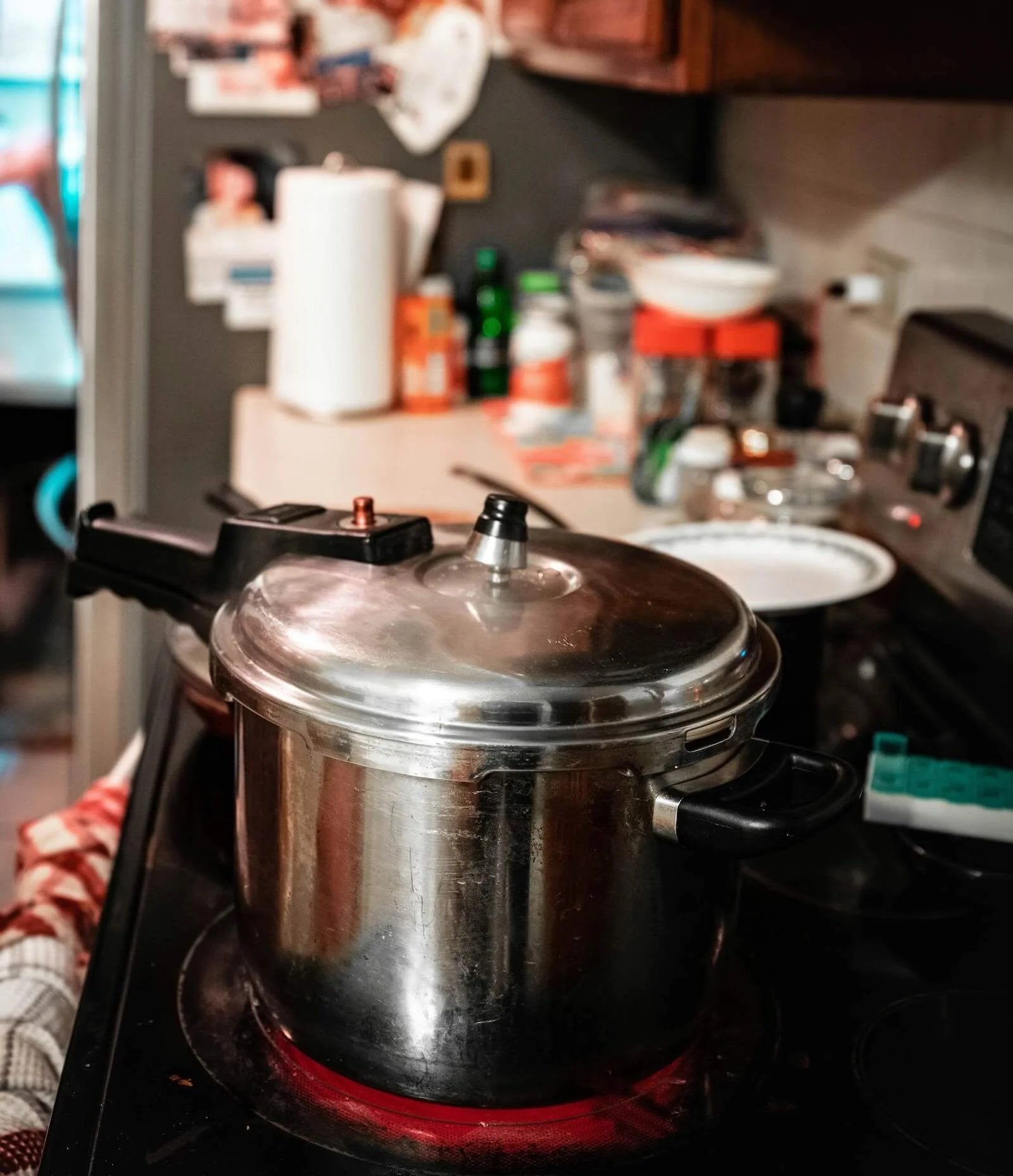
The rationale for pressure cooking has barely changed over the centuries. Invented in France in 1679 to extract every drop of nutrition from bones and cheap cuts, it was all about stretching scarce resources. Slashing cooking times also saved precious fuel, reasoning just as compelling today as it was then.
The appliance saw widespread adoption across South Asia and Latin America, where cooking staples like dried beans and cheap cuts of meat suddenly took minutes rather than hours of constant babysitting. India embraced its own whistling version, around which a whole culinary shorthand developed. Recipe cooking times were measured in “whistles” where each high-pressure steam release equated to roughly three minutes.
In post-war Britain and America, it enjoyed a brief 1950s boom, as cheap metal flooded the markets, for its promised thrift and efficiency. But a reputation for fiddliness and stories of potential explosions kept it out of the mainstream.
Enter the Electric Era
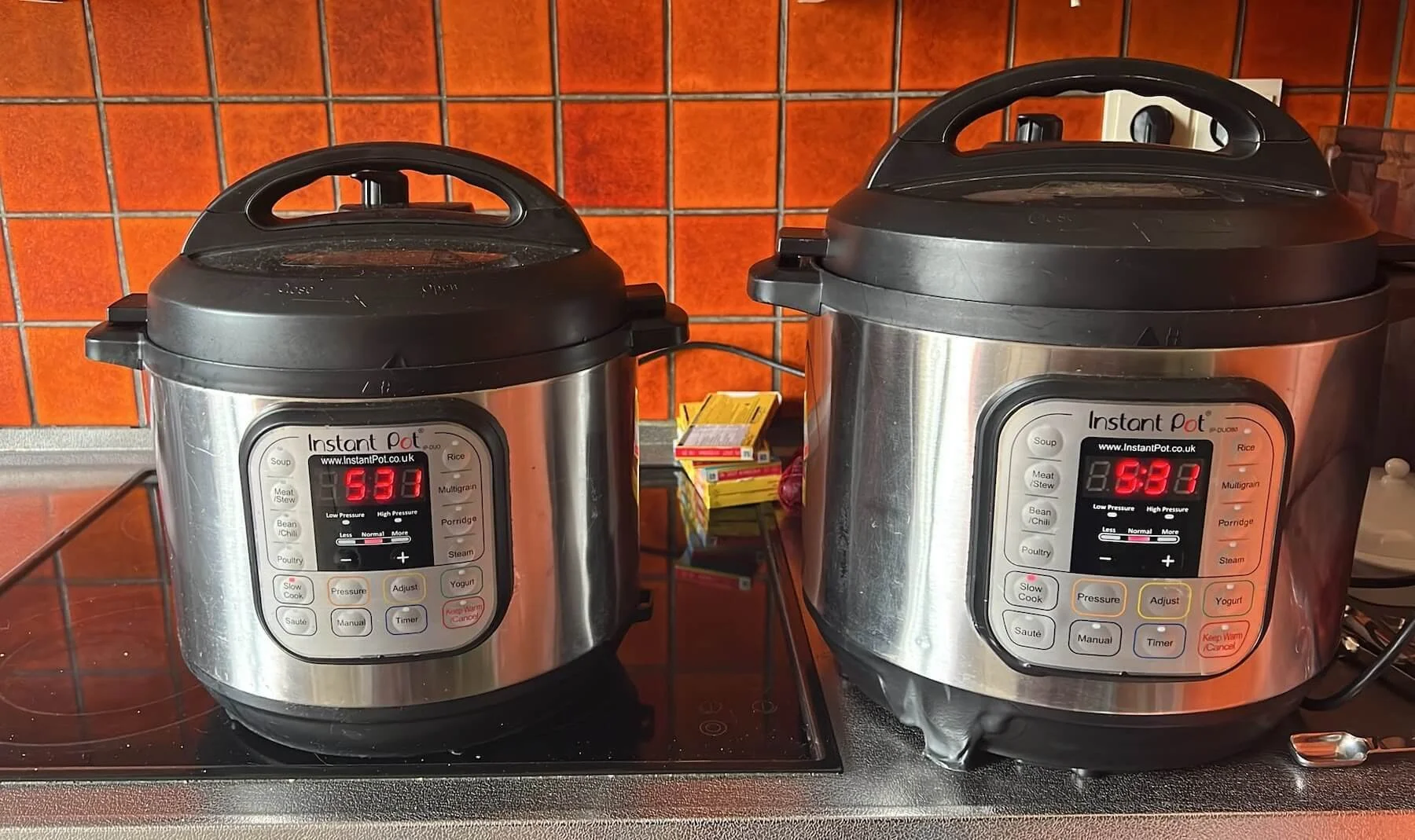
Everything changed when the Instant Pot debuted in 2010. Within five years, a passionate fanbase spawned new cooking groups, cookbooks, and forums dedicated to cooking under pressure. This prompted a flood of rival multicookers onto the market.
Explosions are thankfully ancient history: modern cookers come packed with fail-safe features. These days, the single biggest threat is the schoolboy error of releasing a blast of steam straight into your carefully decorated kitchen cupboards.
And that’s when I also decided to try again, and purchased a safer, electric version.
Stocking the pantry
Now my pressure cooker is my kitchen workhorse. It rivals the slow-cooker “dump-and-cook” philosophy, without the hassle of forward planning. I rely on it most, though, to cook building blocks for other meals.
With school in full swing and holidays fast approaching, I haul out my pressure cooker at the first sign of a sniffle, and in go the chicken bones. Where a hob-bound recipe demands two or more hours of simmering, the pressure cooker works its magic in 45 minutes, yielding a gelatinous rich broth to sip directly or use as in almost any nourishing soup, whether you want to punch it up with Mexican flavorings or make this easy riff on Thai soup.

Chicken Soup from The Mexican Home Kitchen by Mely Martínez
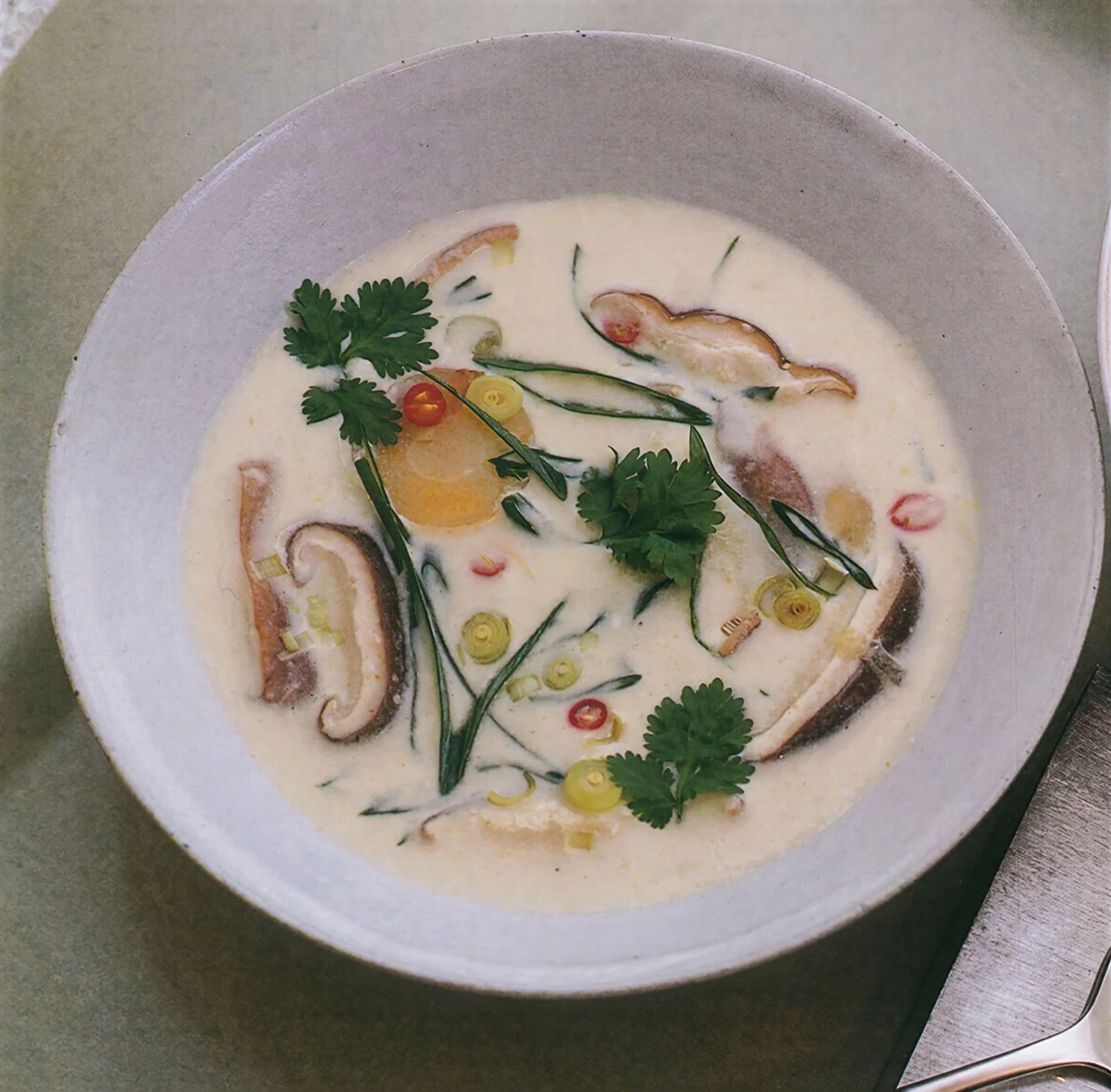
Chicken Soup with Coconut Milk and Lemongrass from Jean-Georges: Cooking at Home with a Four-Star Chef by Jean-Georges Vongerichten and Mark Bittman
Sushi rice is also a thing of beauty in the pressure cooker. In the time it takes to be perfectly cooked, each grain swollen without being claggy, I can prepare the ingredients for make-your-own poke bowls or quick sushi, always a hit with my incredibly fussy kids. And it couldn’t be more simple: rinse the rice of all its starch and let drain well. Then it’s a 1:1 rice and water ratio. Bring to full pressure and immediately turn off. Let stand for 20 minutes, then fluff with a fork. Throw in kombu if you like to season while cooking, or season after with sushi seasoning vinegar.
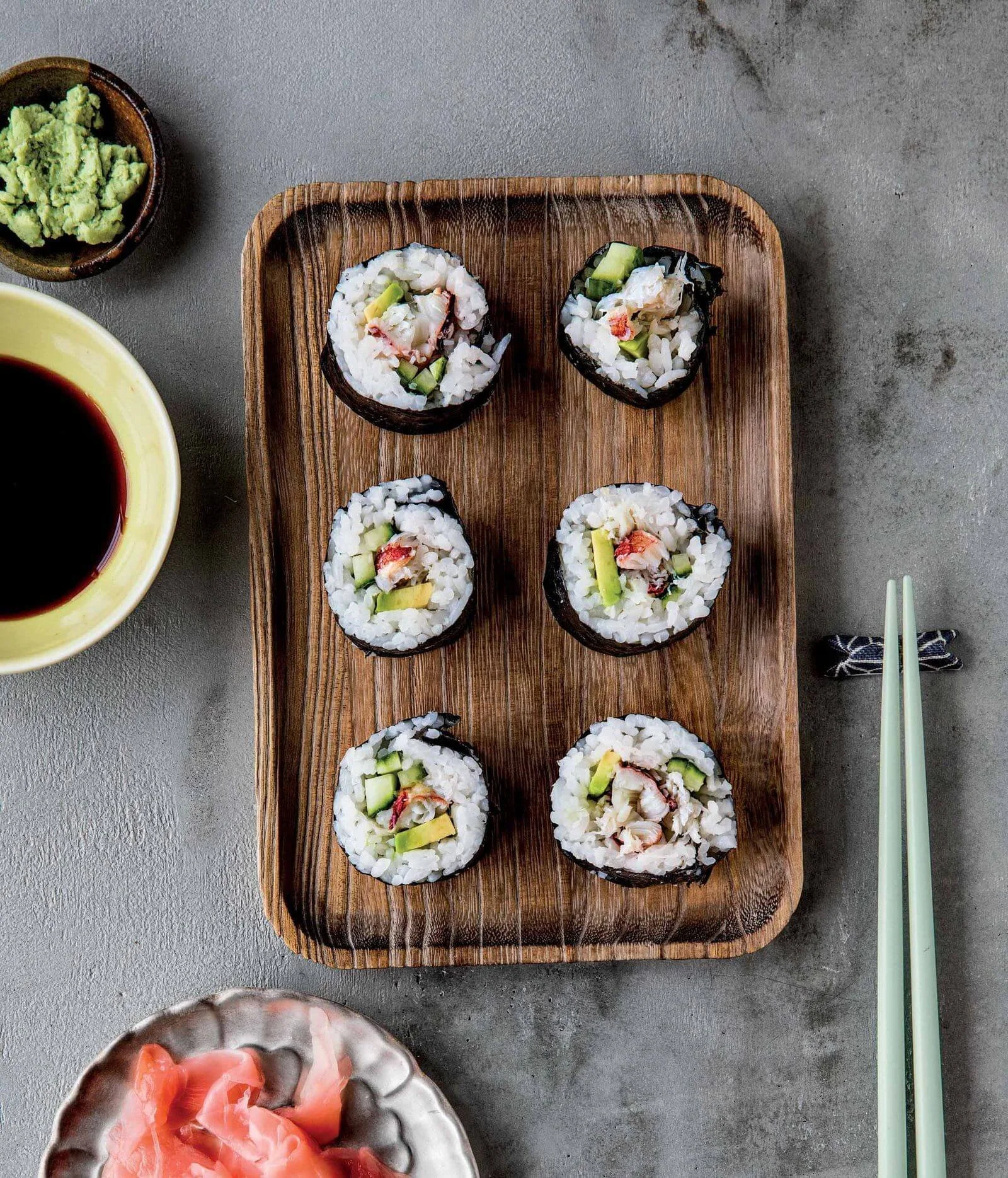
Simple Rolled Sushi from Let's Cook Japanese Food!: Everyday Recipes for Authentic Dishes by Amy Kaneko
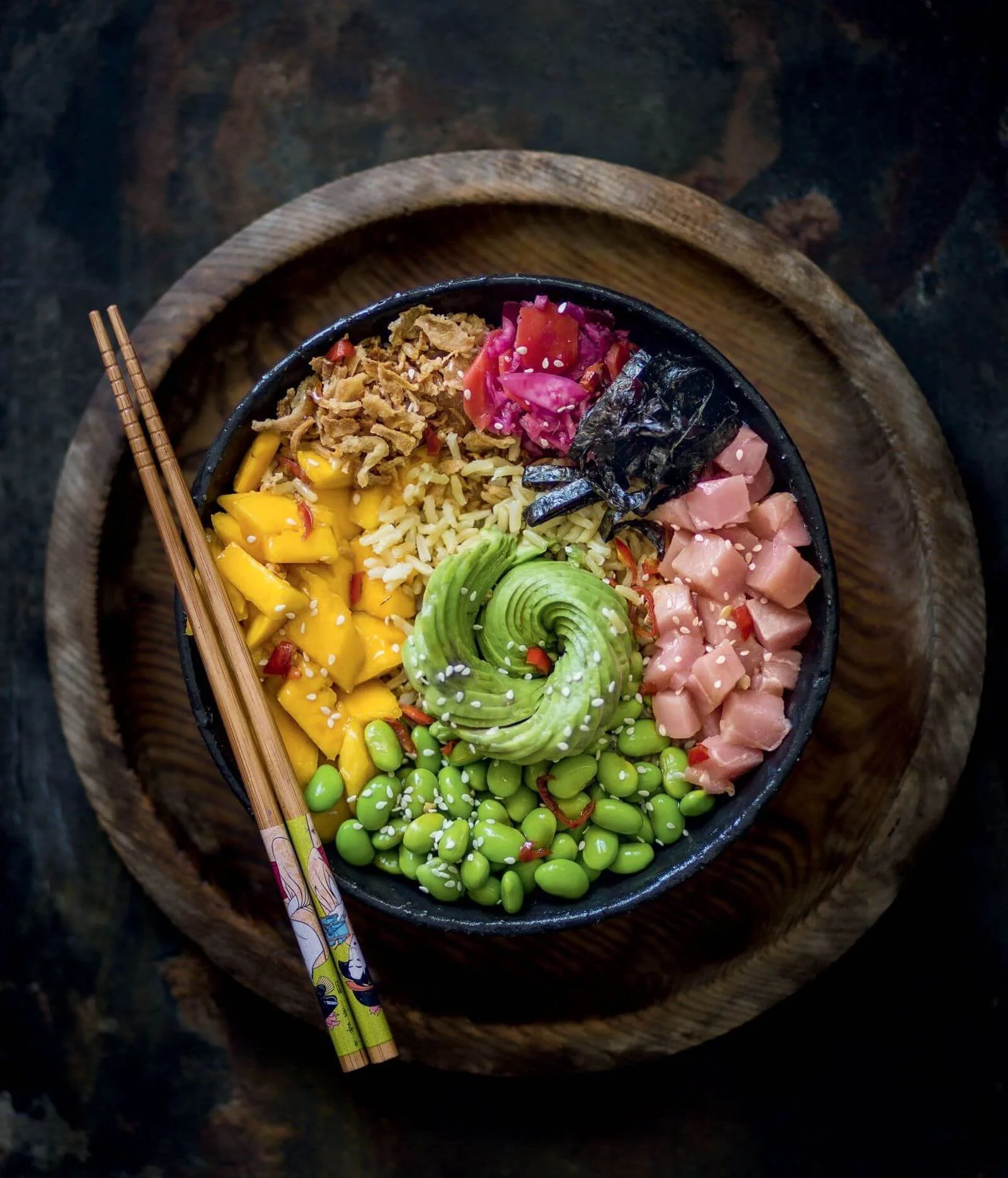
Island Poke Bowl from WHOLE: Bowl Food for Balance by Melissa Delport
But, what made me fall in love with my pressure cooker is eggs. Under pressure the inner shell membrane separates from the whites and the shells slip off in seconds with no drama. No more infuriatingly picking piece by piece and ending up with pockmarked exteriors.
At the beginning of the week, I pressure cook hard-boiled eggs to keep as a healthy snack, usually hoovered with a sprinkle of salt standing over the sink. Used for deviled eggs, these can take on so many different flavors and are usually the first to go at a party. You can stick with a classic version like this one, or add a sprinkle of nutty homemade dukkah. Or, go for broke, and whip out this Ethiopian-inspired Doro Wat egg for something totally new and inspired. And nobody complains when I use the rest for a warm, heady egg curry that we serve over rice with warm parathas alongside.
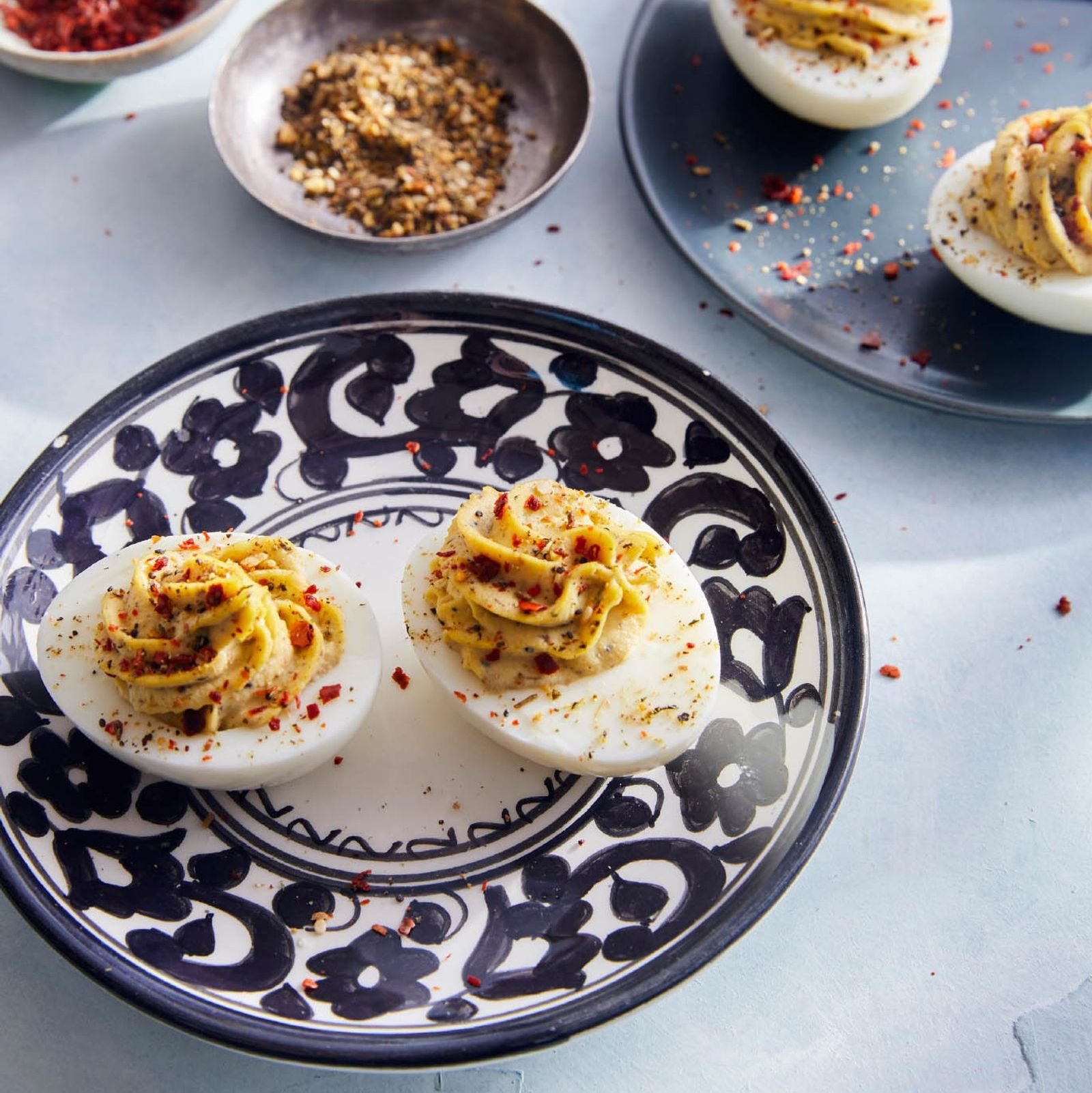
Deviled Eggs with Dukkah from Flavors of the Sun by Christine Sahadi Whelan
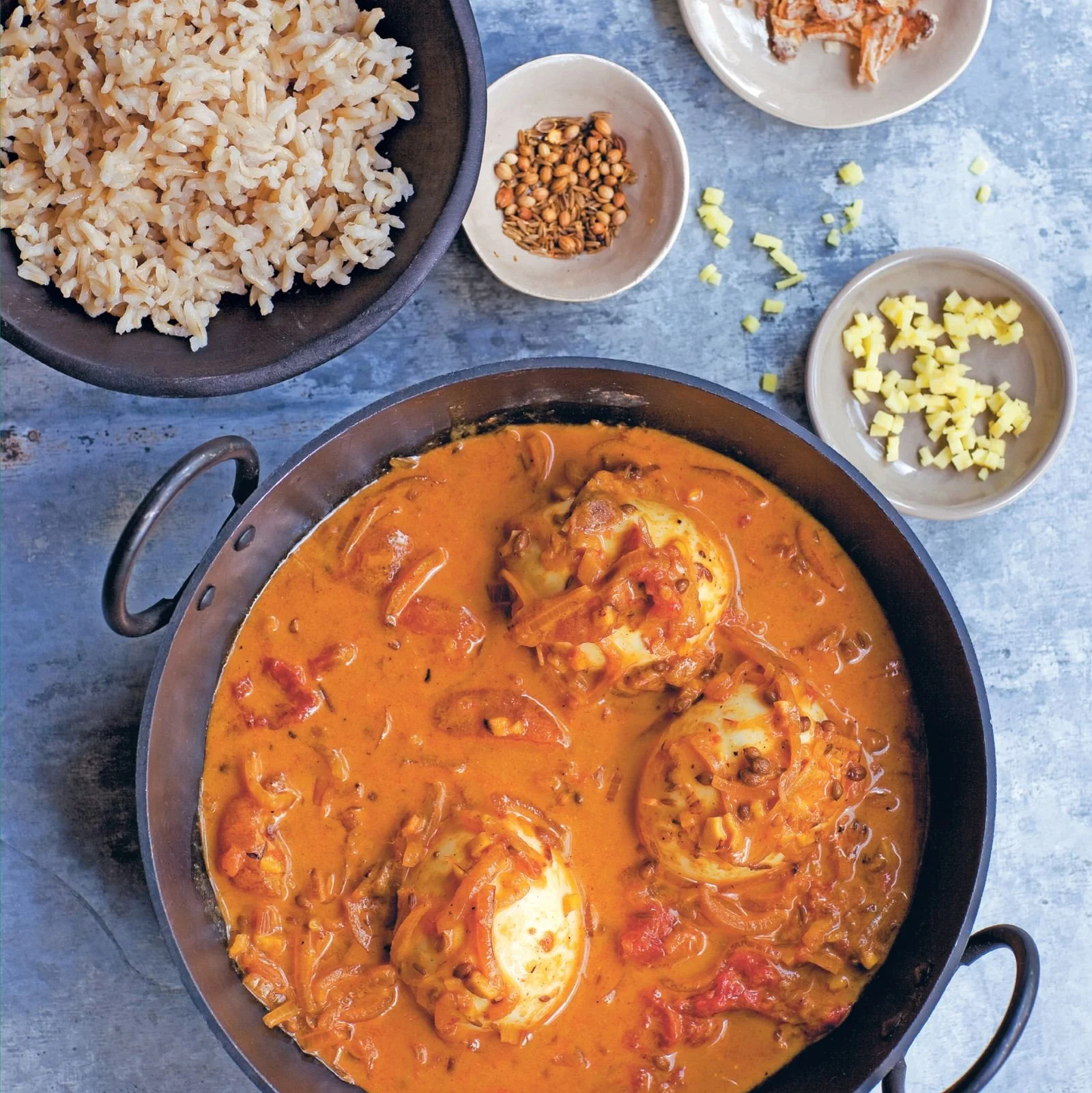
Malaysian egg curry from Vegetarian by Alice Hart
Same with chickpeas or beans. The pressure cooker does its work in less than an hour, without soaking overnight - something I ALWAYS forget to do. At the beginning of the week, I cook a full pot of beans, then portion some out for the freezer for later use. It’s pennies on the cans I used to keep stocked in my pantry and the texture is so much more toothsome and creamy.
During the week, the beans get cooked into chili, chana masala, or just tossed into salads to add an extra boost of protein and fibre. If I’m feeling faffy, I’ll toss them with oil and salt and finish them in the oven. Alternatively, cook the chickpeas a bit past “done”, then blend into this ethereal hummus from On The Hummus Route (a book dedicated to the task). Or make it more of a meal with a topping of stewed chickpeas or spicy ground lamb.
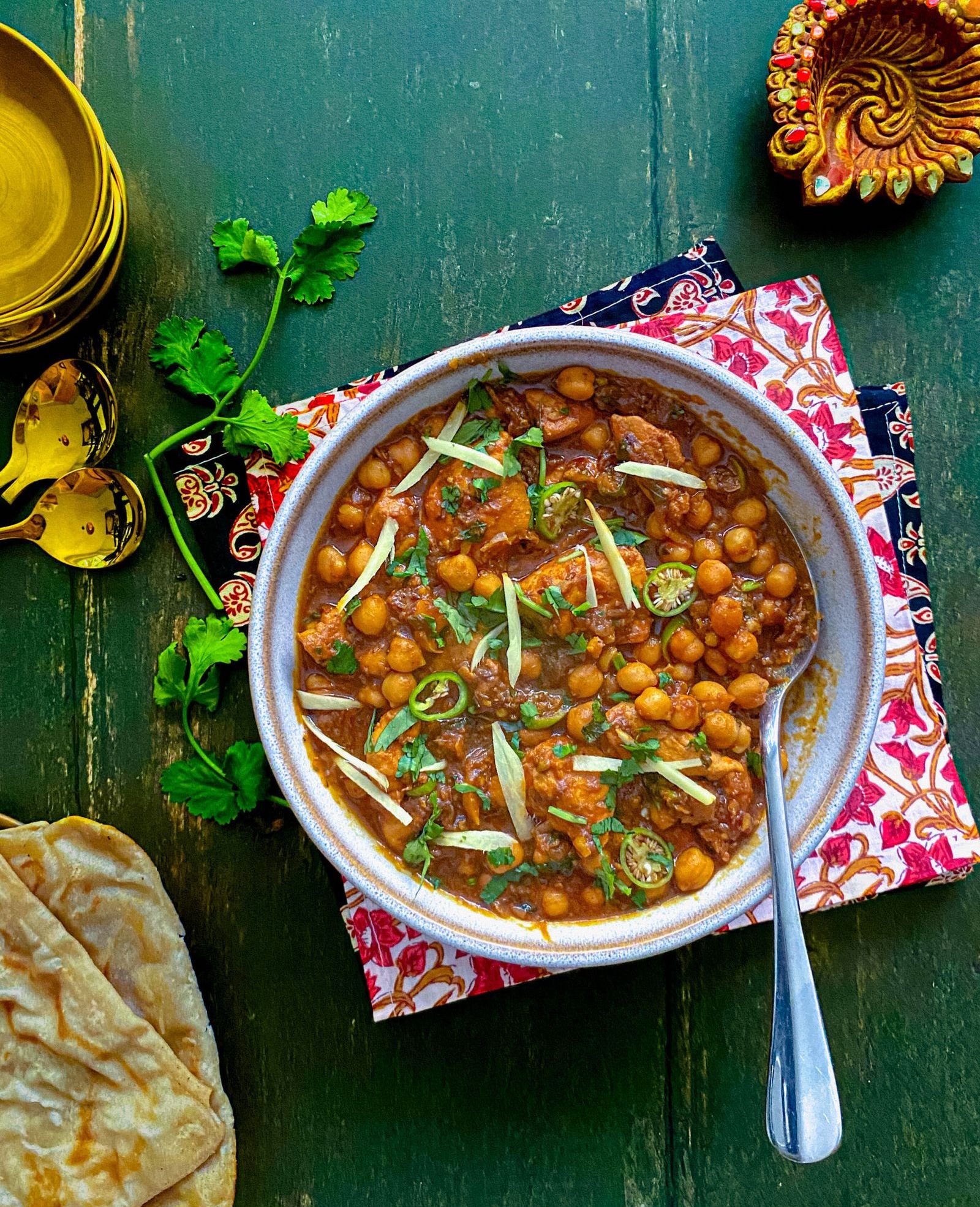
Punjabi Chickpea/Garbanzo Bean Chicken Curry from No Worries, Just Chicken Curries by Suki Pantal
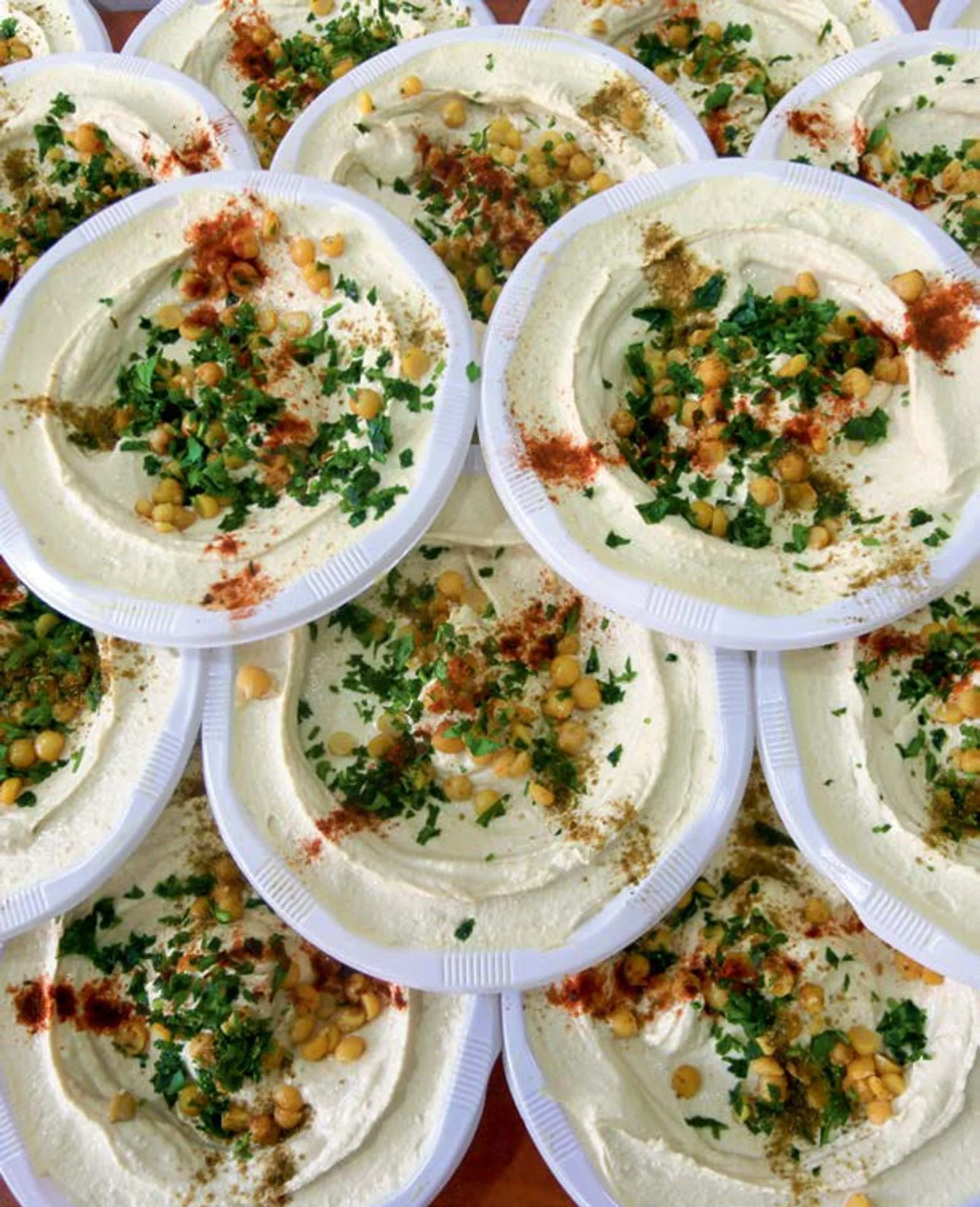
Hummus bi Tahine from On the Hummus Route by Ariel Rosenthal, Orly Peli-Bronshtein and Dan Alexander
Weeknight boon
But let’s get real: most people invested in the multi-cookers dream of cooking large joints into succulent melt-in-the-mouth meat in less than an hour. Pulled pork takes 40 minutes to be shredable, and I like this dry rub as a way of building flavour. After shredding the pork, mix it with a favorite sauce and pile it high on sandwiches. This is another staple that I keep portioned in the freezer (before adding bbq) as the shredded pork can be used in so many ways.
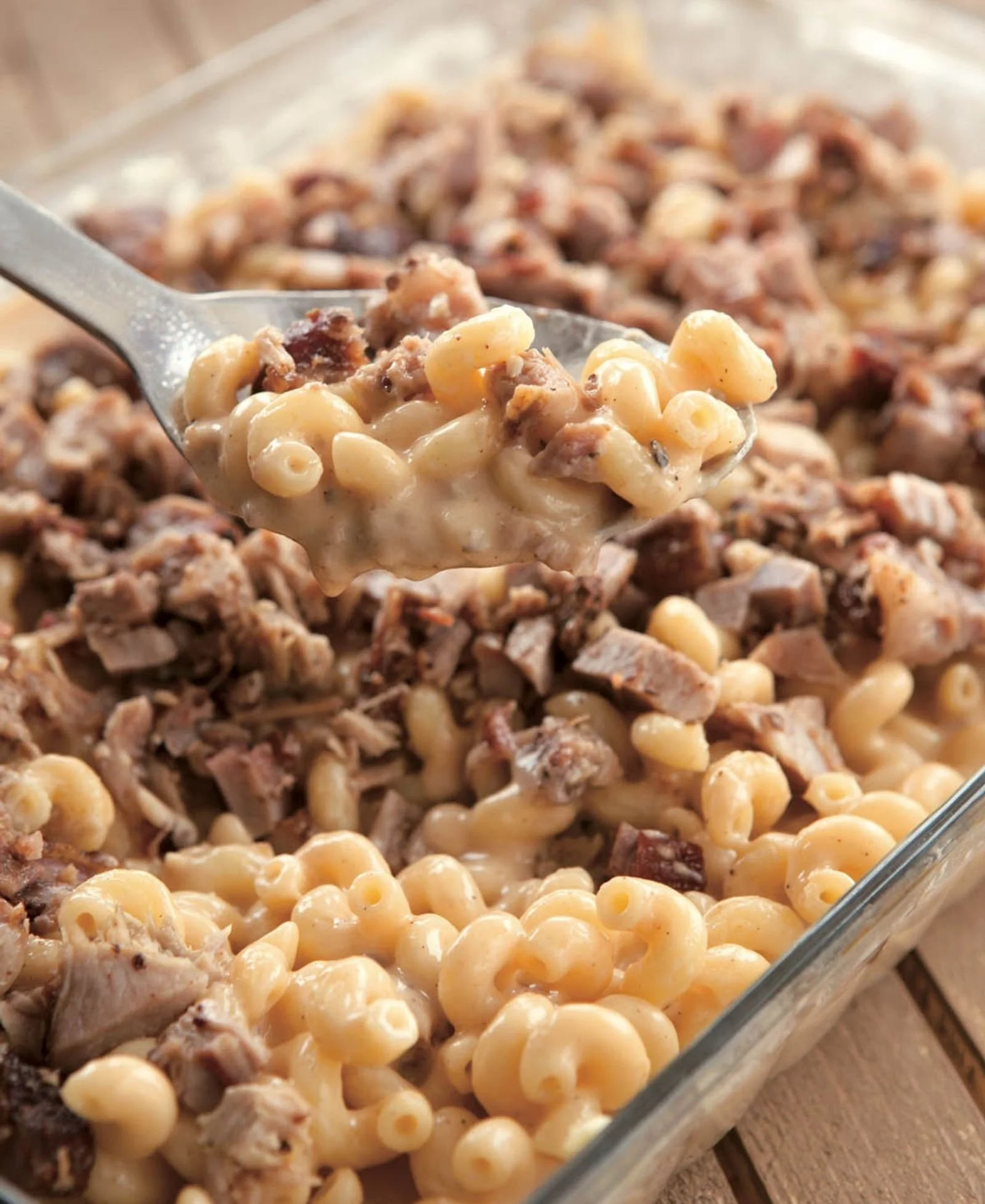
Pulled Pork Mac-n-Cheese from Love Your Leftovers by Nick Evans
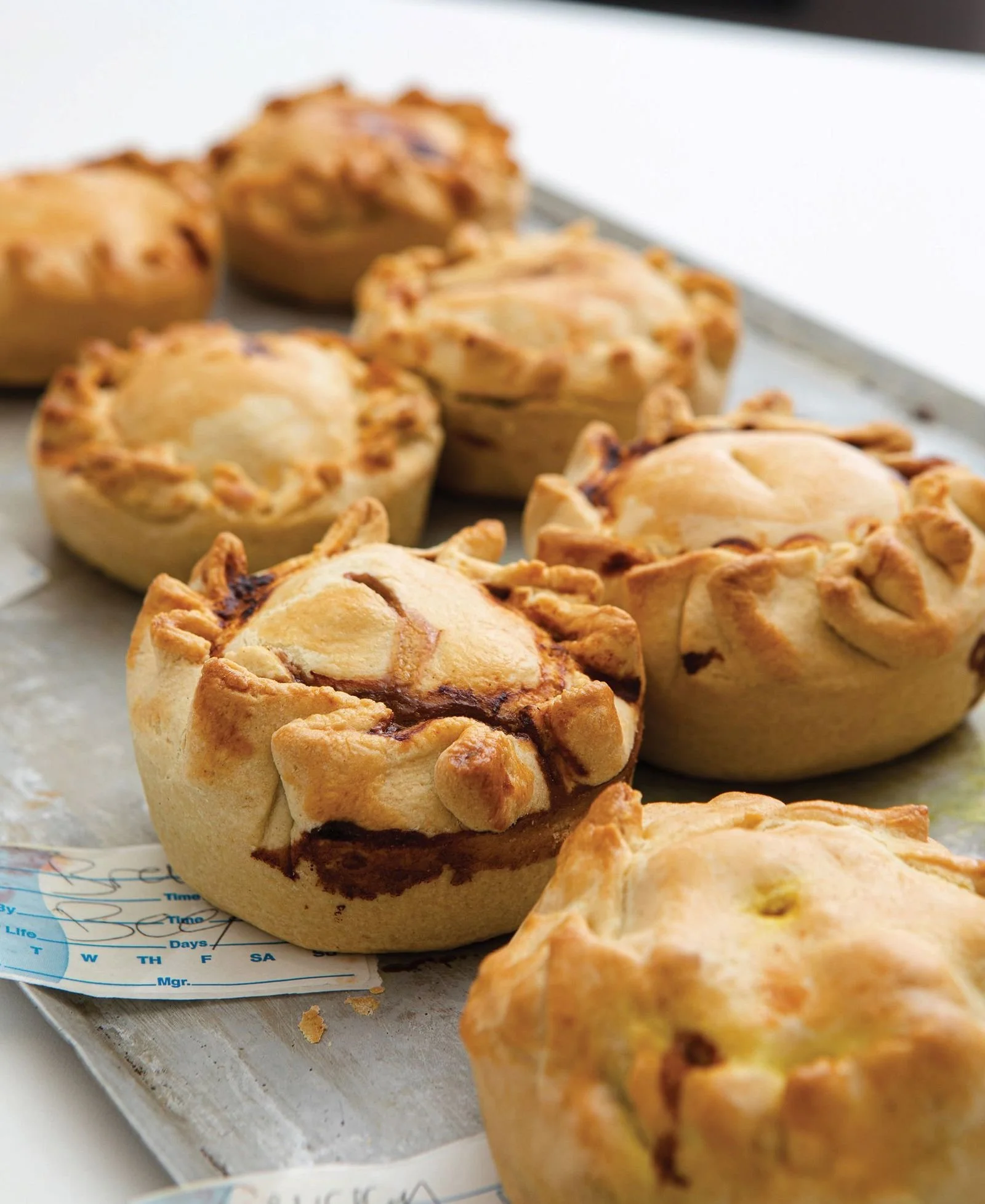
Pulled Pork Pie from Bad Girl Bakery by Jeni Iannetta
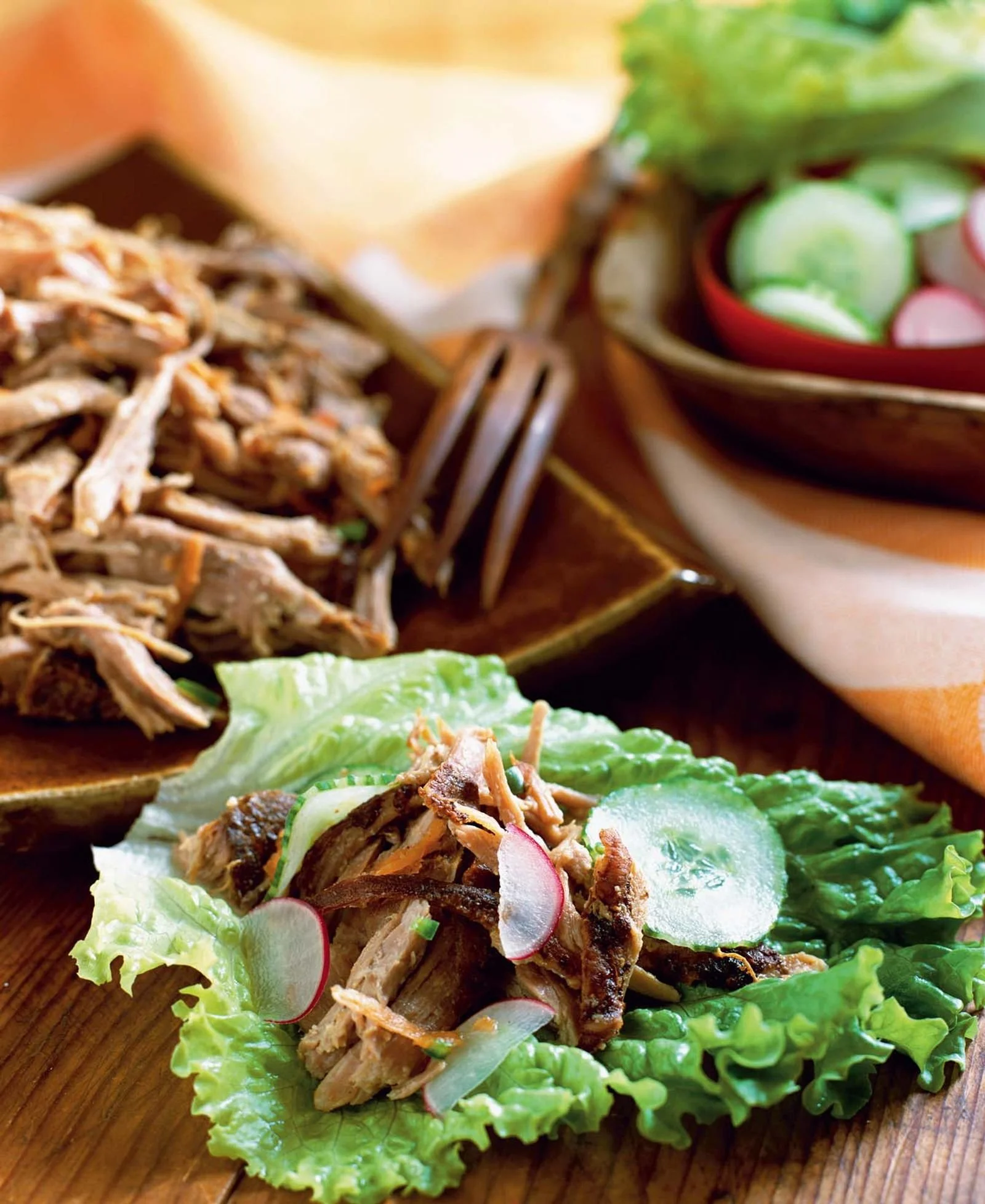
Pulled Pork Three Ways from Mastering the Grill by Andrew Schloss and David Joachim
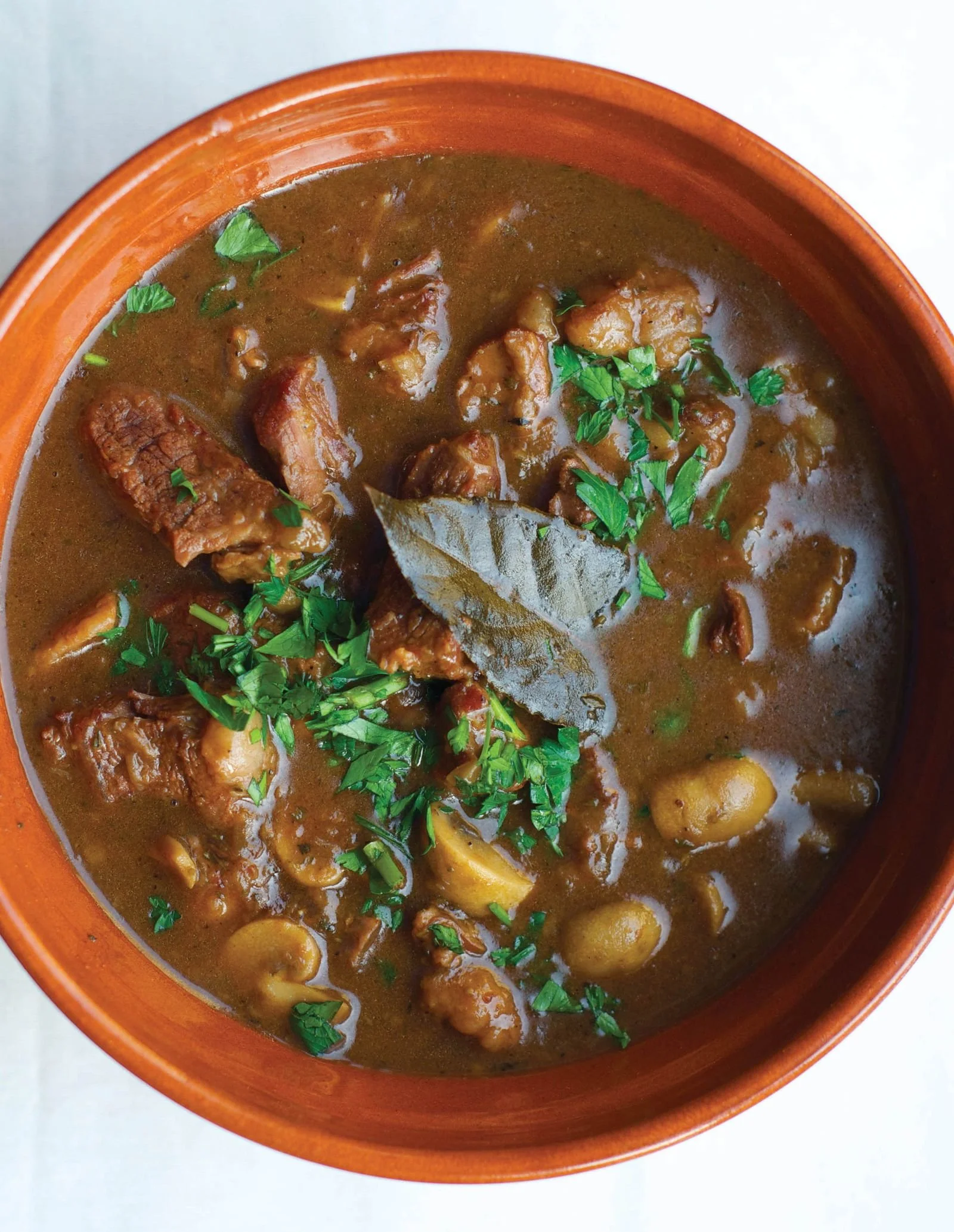
Stewing dishes need a bit more tinkering to adapt. There is no evaporation during cooking, so the rule of thumb is to start with half the normal liquid. After the meat is tender, you can continue simmering or add starch to help thicken the sauce. This application is perfect for this winter favorite Beef and Guinness stew or this homely Daube of Beef, dishes long-relegated as weekend warriors.
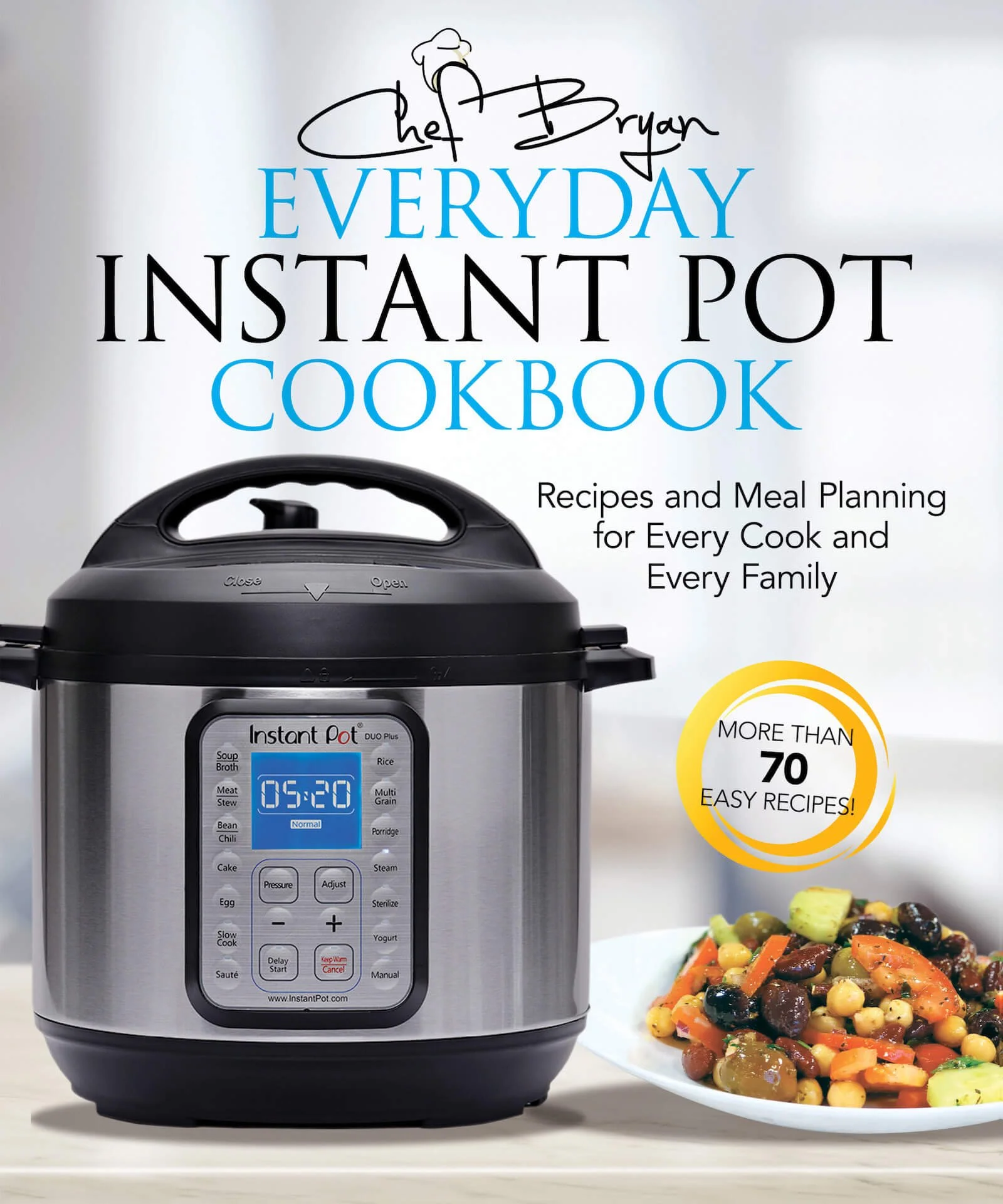
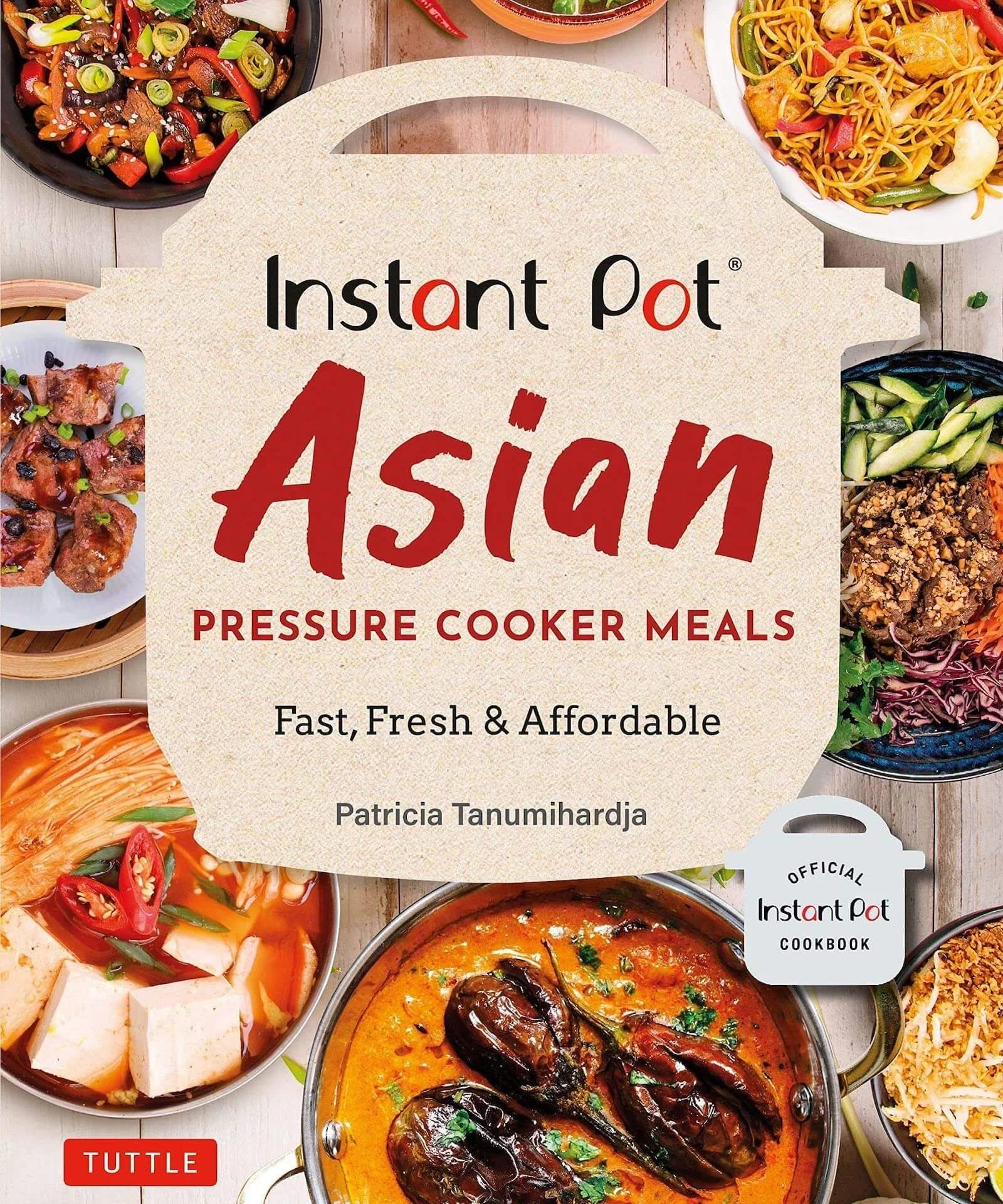
And this is really just skimming the surface. There are pot-in-pot methods that make it possible to cook au gratin potatoes or “bake” cheesecakes. Bryan Woolley opens doors to all these methods in his comprehensive Everyday Instant Pot Cookbook. Or check out Instant Pot Asian Pressure Cooker Meals, where besides tons of great Asian and inspired dishes, this hands-off risotto could serve as a great jumping point to creating your own flavours.
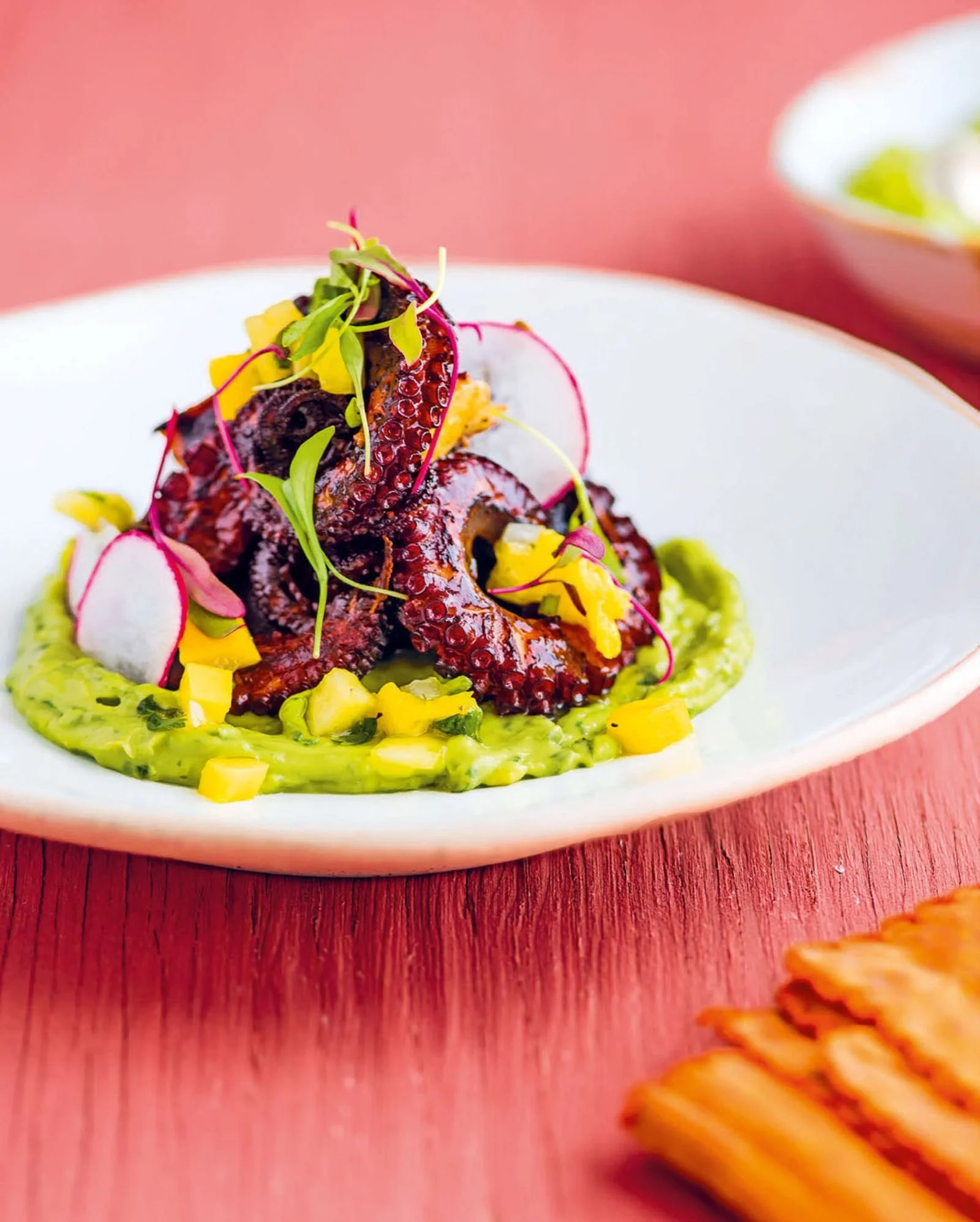
Grilled Achiote Octopus from Claudia's Cocina by Claudia Sandoval
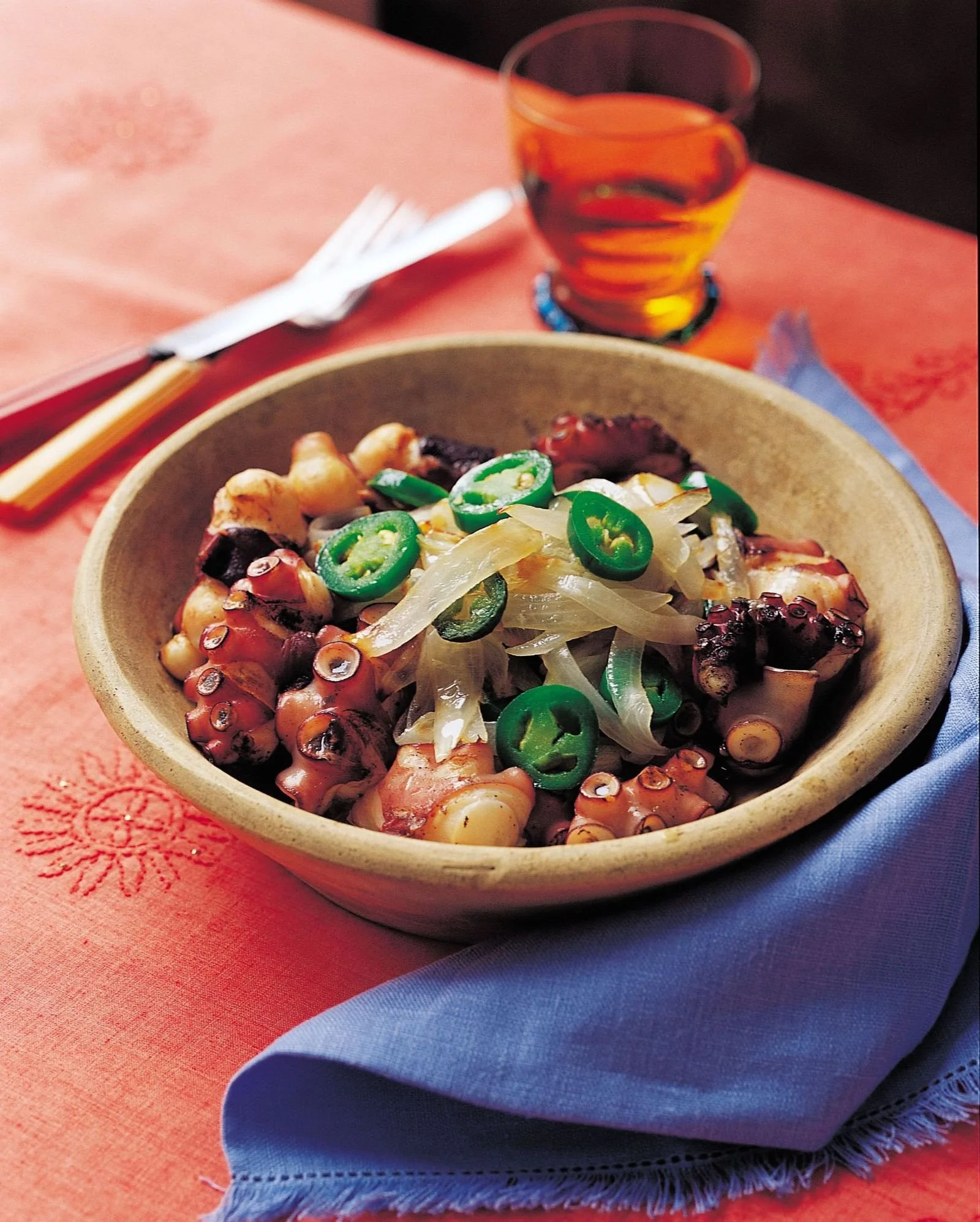
Grilled Octopus from Zarela's Veracruz by Zarela Martínez
Featured recipes
About the author

Amanda Berne is a recipe developer, food writer, and editor turned baker. After more than 25 years writing, editing and cooking for heavyweights like Martha Stewart Living, The San Francisco Chronicle and Ten Speed Press—plus a stint leading Marley Spoon’s European culinary and content team—she swapped the desk job for sheet pans. Now she happily brings giant, unapologetically chunky American-style cookies and treats to the Netherlands through her company Noshbox.
More ckbk features
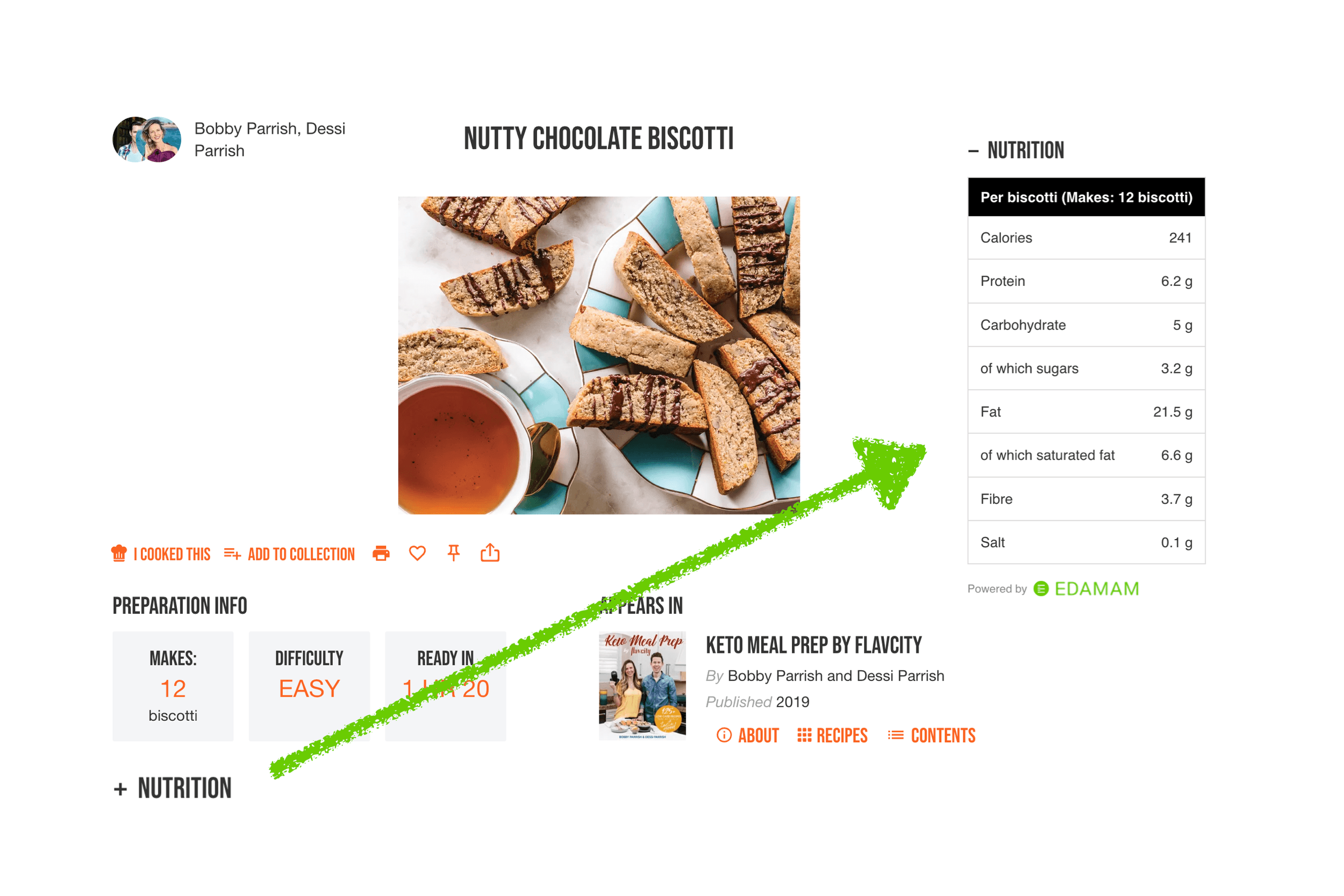
See nutritional information for any recipe on ckbk, make use of additional diet filters, and set your personal dietary preferences
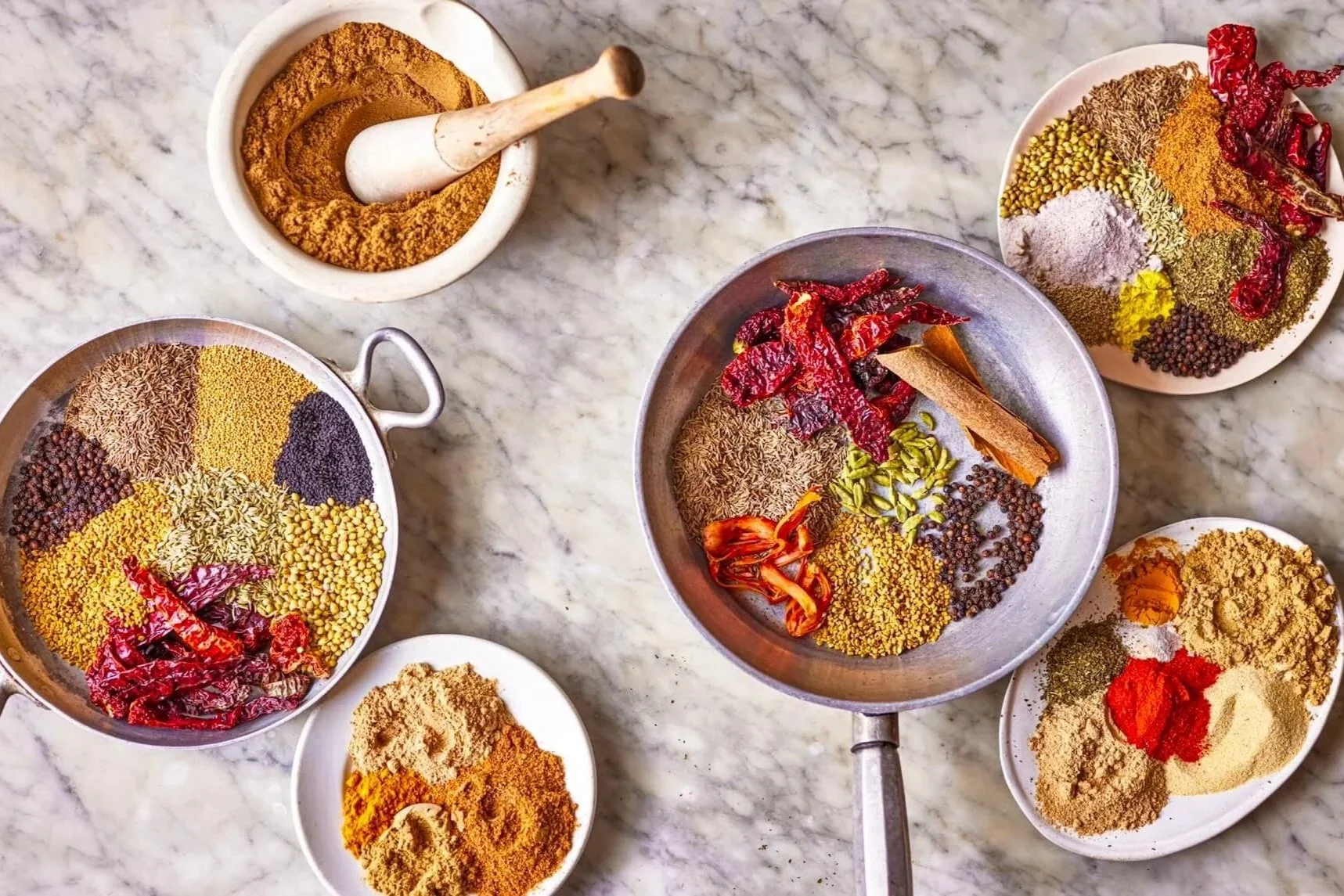
Chef and culinary consultant Anjula Devi explains how her book 15 Minute Indian ‘turns some of the rules of traditional Indian cooking on their head’
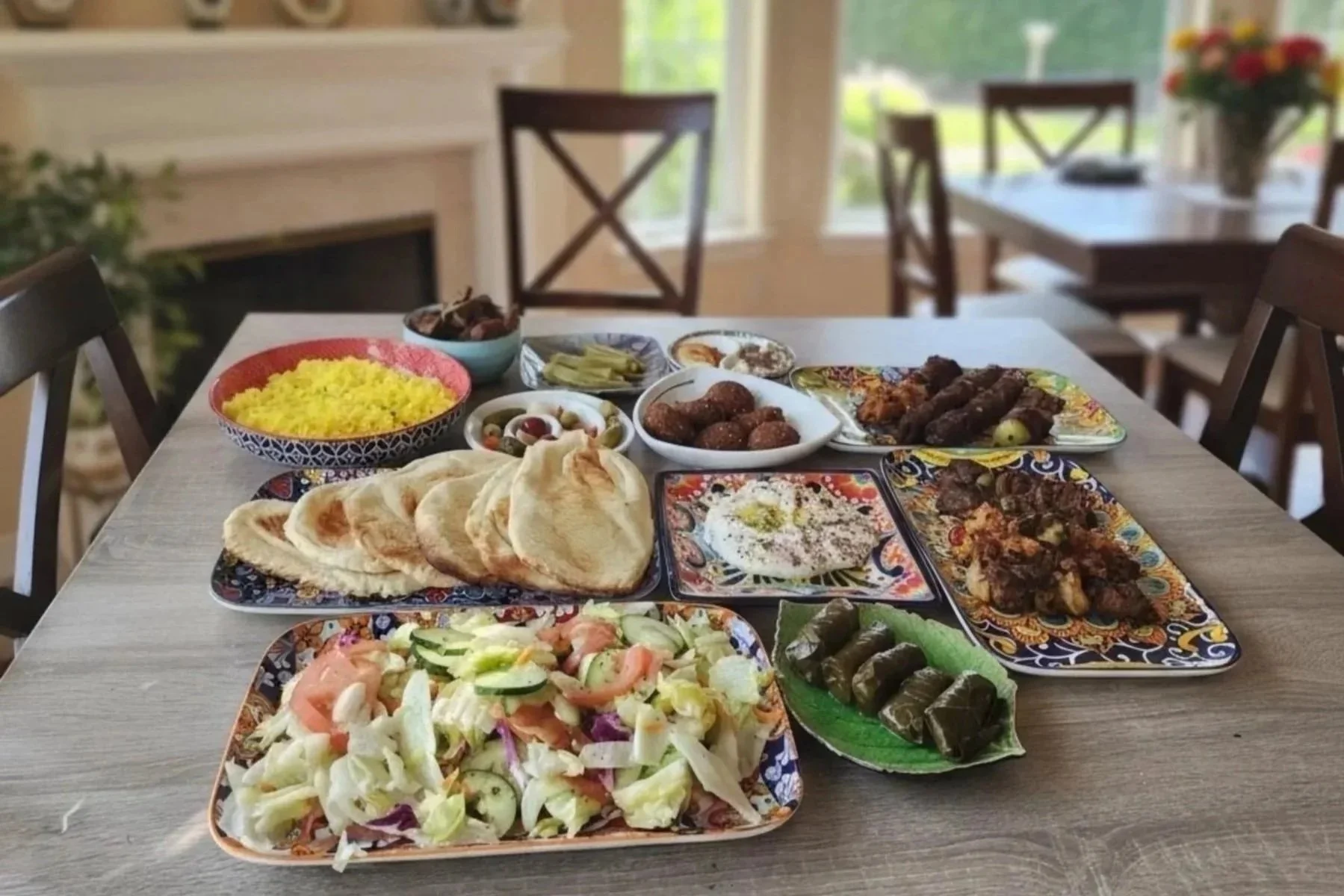
Cookbook enthusiast and ckbk user Amanda Carroll extols the virtues of this lemon and garlic sauce from the Middle East
Advertisement